Daylight changes constantly through the day and the year, which is why a well-lit room never feels static. It can make a small room feel generous and give plain walls some depth. It can also overheat a home and fade furniture. Designing with it means understanding both sides.
Know which way the room faces
In North India, south-facing rooms receive sun for much of the day, particularly in winter when the sun is low, and this can be very pleasant. North light is softer and steadier, which suits studies and workspaces. East-facing rooms get gentle morning sun, while west-facing rooms take the strong, low afternoon sun that is the hardest to control in summer.
Knowing this early can inform where you put bedrooms, kitchens and living areas, and which elevations need the most shading.
Placement matters as much as size
A bigger window is not automatically better. A high window can wash a ceiling with light and carry it deep into a room, without giving up privacy or wall space. A window placed next to a side wall lets light rake along it, bringing out its texture. Windows on two sides of a room often give more balanced light than one large window on a single side, and they reduce harsh contrast.
Let surfaces carry the light
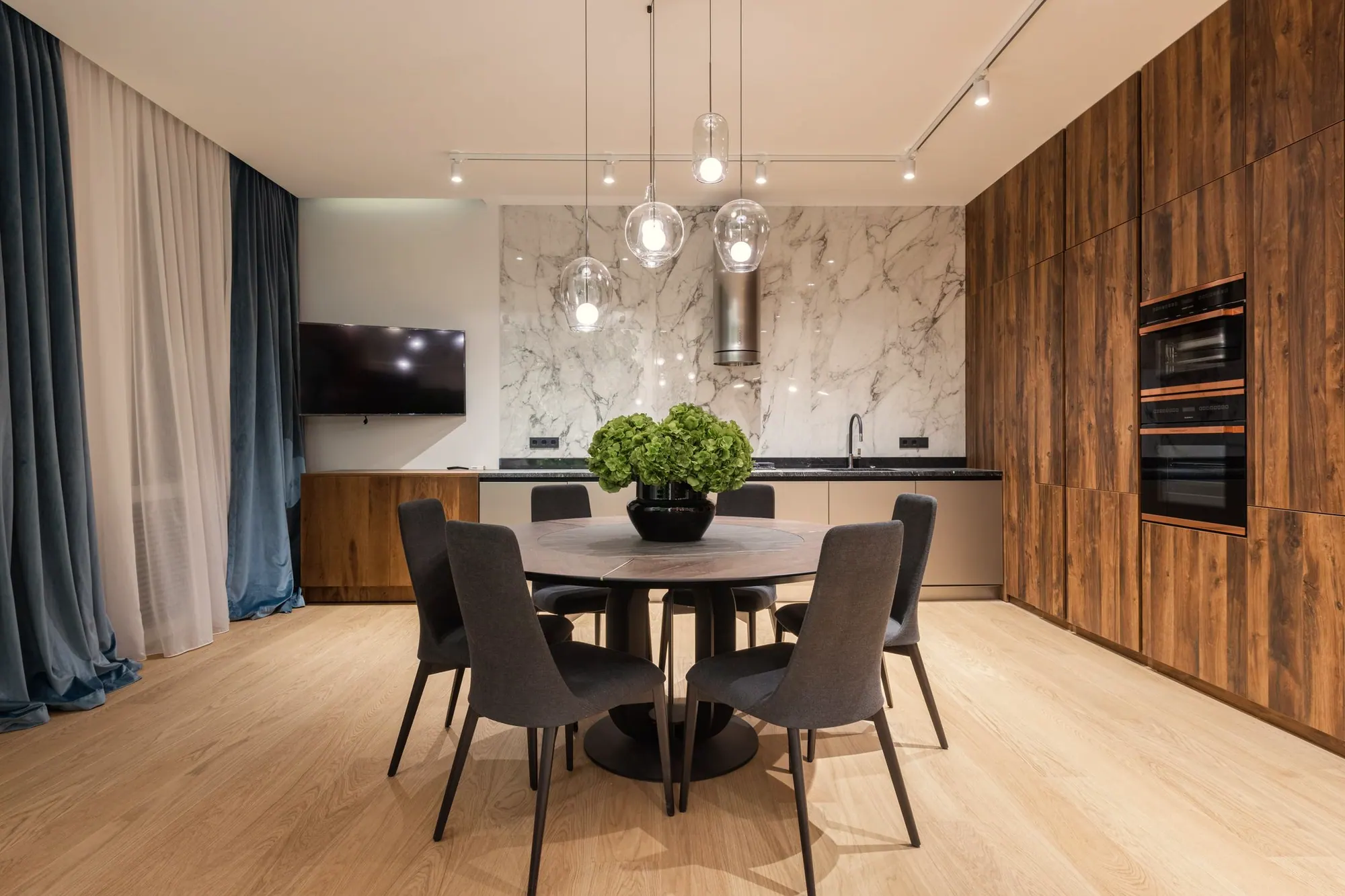
Pale, matte surfaces bounce daylight further into a room. A light ceiling is especially useful, because it receives light reflected from below and spreads it gently. Dark floors and glossy finishes behave differently, absorbing light or creating glare. That does not rule them out, but it is worth accounting for where they are used, particularly in rooms with limited daylight.
Control heat and glare
In a hot climate, too much direct sun can be as much of a problem as too little light. Some useful strategies include:
- Overhangs and verandahs, sized to block high summer sun while admitting lower winter sun.
- Screens such as jaalis or vertical fins, which are particularly useful on west-facing walls.
- Courtyards and light wells that bring daylight into the centre of deep plans.
- Layered curtains, combining sheer and heavier fabrics, so light can be adjusted through the day.
Related services: Architectural Design and Interior Design.