People often describe a good room as “comfortable” without being able to say why. Usually the reason is functional. Nothing is in the way, everything is within reach, and the room quietly supports what people do in it. That quality is designed, and it can be planned for long before any finishes are chosen.
Begin with a normal day
Walk through an ordinary day in your mind, including the unglamorous parts. Where do people drop their bags? Where does the laundry dry? Who wakes first, and what do they disturb? Where does your family actually sit in the evening, as opposed to where the formal sofa is?
Design briefs often focus on how a home should look when guests arrive. Yet a home spends the vast majority of its life in ordinary use, so that is the condition worth designing for first.
Zone by activity, not by room name
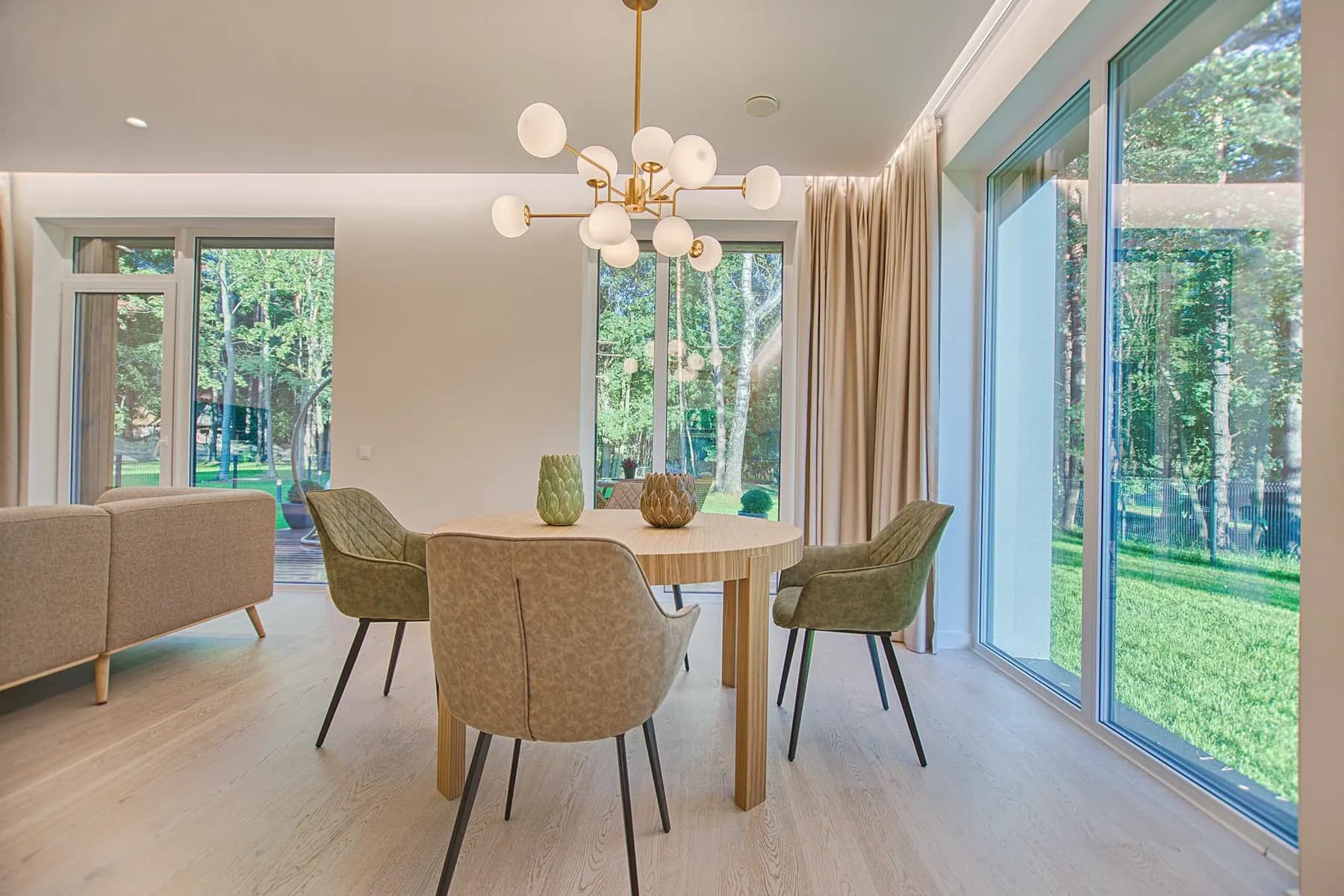
Labels such as “living room” hide a variety of activities: conversation, television, reading, children’s homework. Each has different needs for light, seating and quiet. Listing them separately shows whether they can share a space, and what would need to change for them to coexist.
A reading chair by a window and a television wall in the same room can both work, as long as seating is arranged so that one does not take over from the other.
Pay attention to the in-between
Many daily irritations occur at transitions: an entrance without anywhere to put shoes, a kitchen doorway where two people collide, a balcony door blocked by a chair. These spaces get little attention because nobody thinks of them as rooms, but they can affect a household every day.
- Give the entrance a surface, a place to sit and enough storage for shoes.
- Check that main routes are not cutting through seating areas.
- Look at how doors swing, and whether they interfere with each other or with furniture.
Leave room for change
Over-designing a home for today’s exact routine can make it awkward tomorrow. A study may become a nursery, and a child’s bedroom may eventually become a guest room. Movable furniture, sensible socket positions and rooms of a useful shape all help a home to adapt. Good function includes knowing what not to fix in place.
Related services: Space Planning and Residential Design.