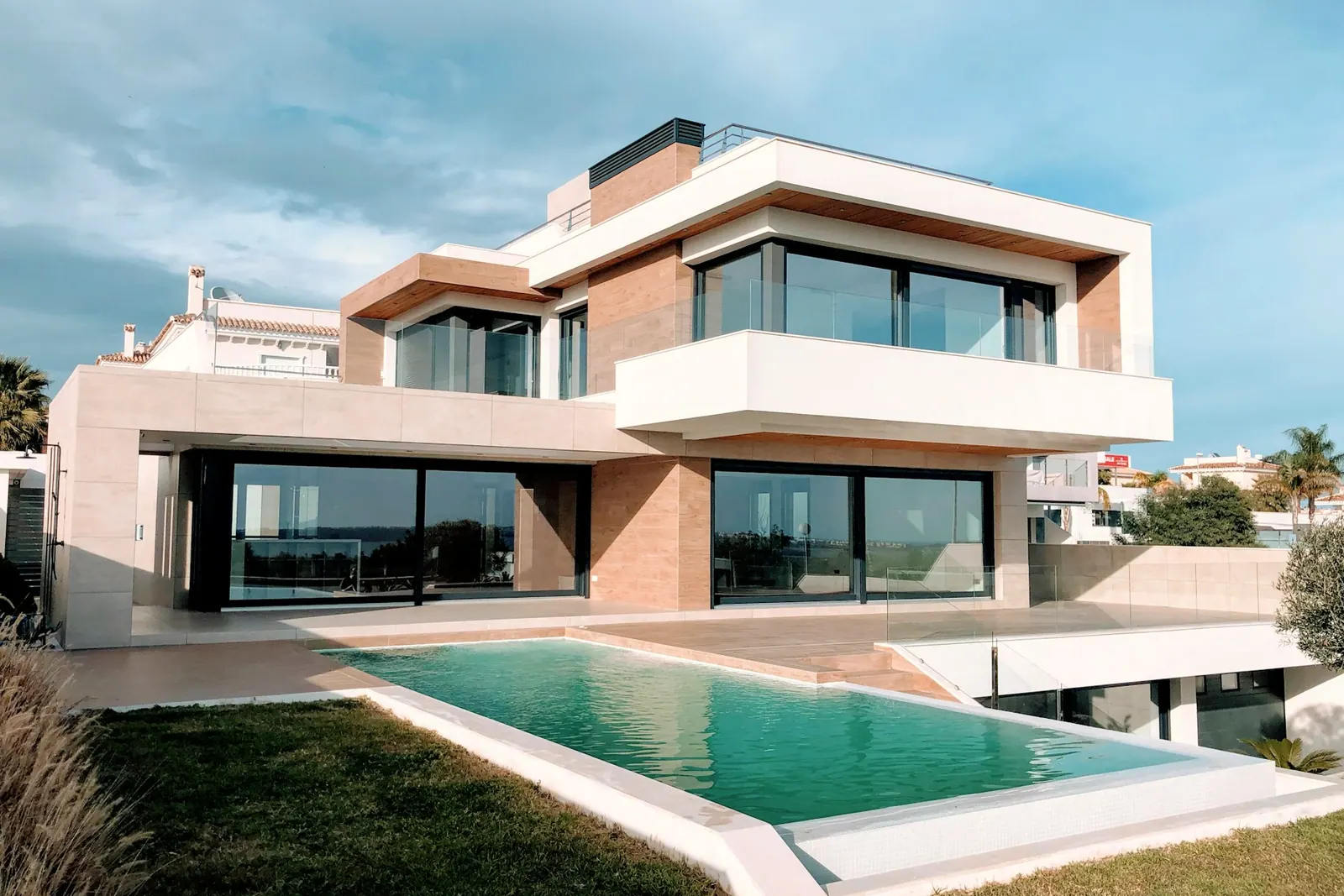
Modern architecture is often reduced to a look: flat roofs, big glass and white walls. Applied without thought, that look can produce homes that are hot, hard to maintain and wrong for their climate. At its best, though, modern design starts with a simple question of what a building needs to do, and lets the answer shape how it looks.
A false choice
The debate between beauty and practicality makes for a tidy argument, but the most satisfying buildings rarely separate the two. A deep overhang shades a window and casts a strong shadow line. A screen protects a room from the western sun and gives the façade its texture. In each case, the same element is doing both jobs.
Let the context ask the questions
A design copied from a reference image brings the assumptions of its original setting. Large unshaded glass that works in a cool climate can make a home uncomfortable in North India. Starting instead with the local sun, monsoon, dust and neighbouring buildings gives a form that responds to its place, and one that tends to look less generic as a result.
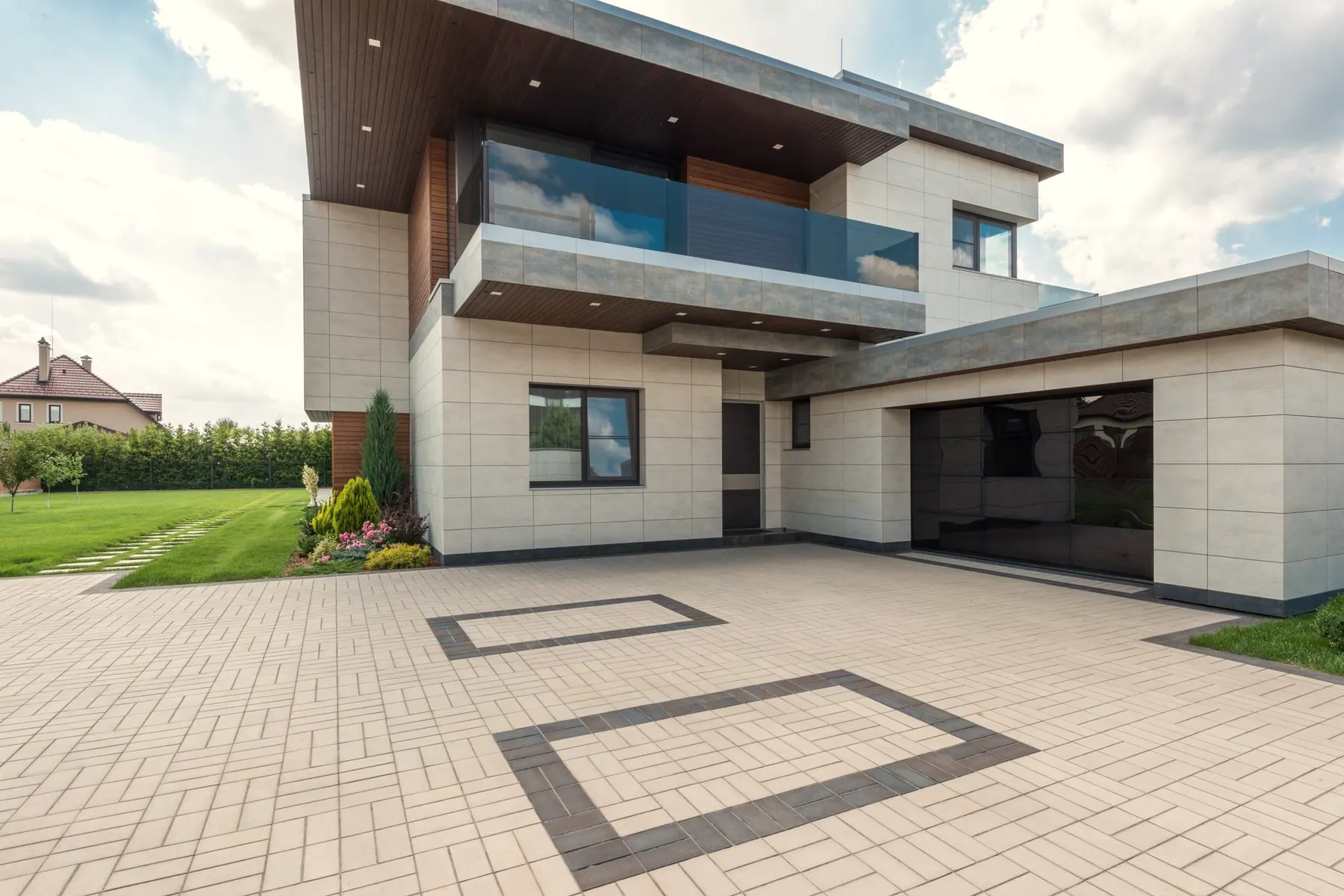
Simplicity takes more care, not less
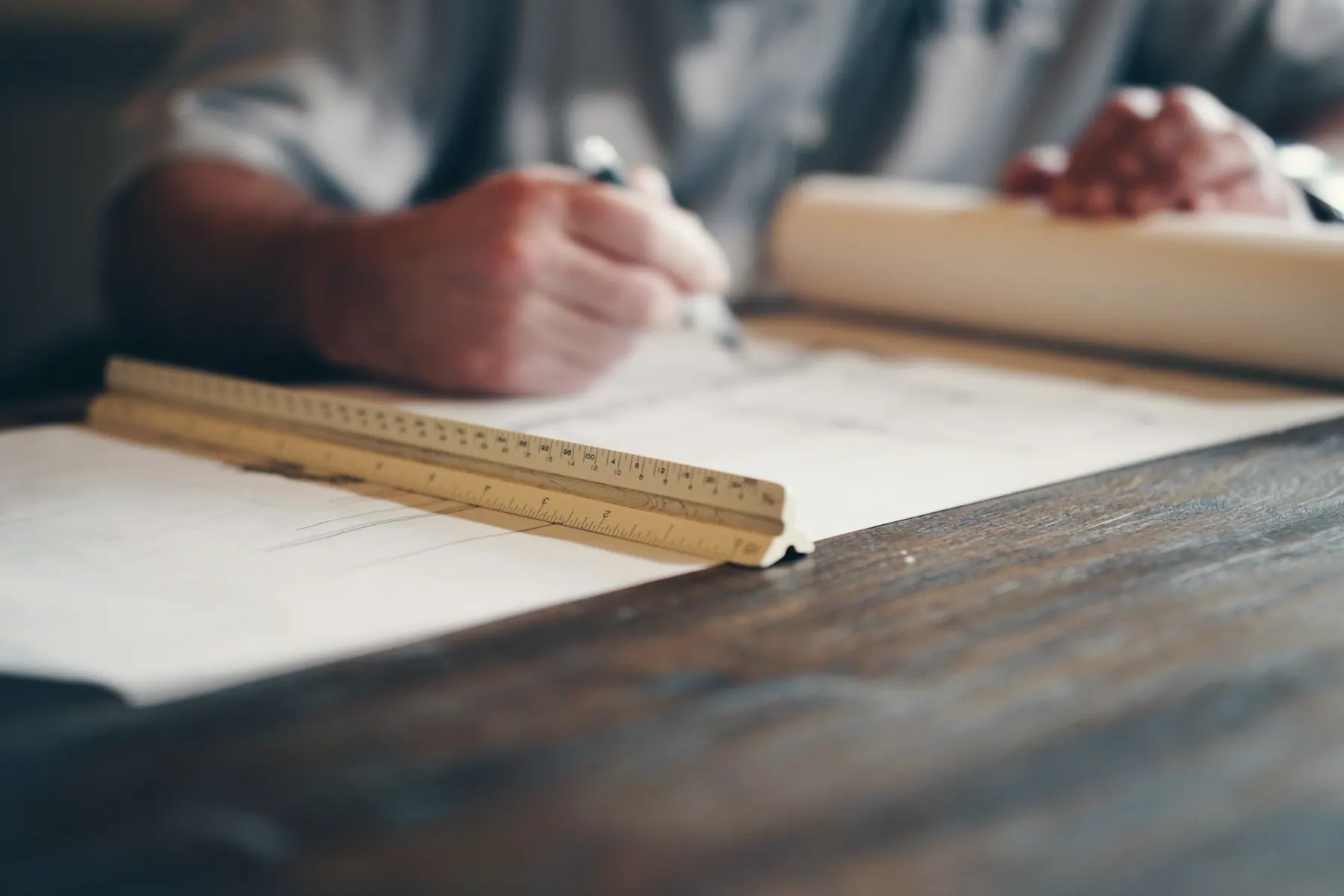
Clean lines are demanding. Without cornices or trims to cover junctions, every alignment and every detail becomes visible. Where will the rainwater go? How will that parapet stay free from stains? How do the window frames meet the wall? In simple buildings, these questions need solving in the drawings, because there is little to hide an unresolved detail once built.
Questions to ask of any design
Whether you are reviewing your own project or a concept from a designer, these questions tend to reveal how well form and function are working together:
- Does this feature do a job, or is it purely applied?
- Which elevation gets the harshest sun, and how is it treated?
- How will this surface weather, and who will maintain it?
- Would the design still work with less expensive finishes?
Related services: Architectural Design and AutoCAD & Technical Drawings.