The two disciplines overlap, so it is common to be unsure who to approach first. The simplest distinction is that architectural design deals with the building and how it sits on its site, while interior design deals with how the spaces inside are arranged, finished and used.
What architectural design covers
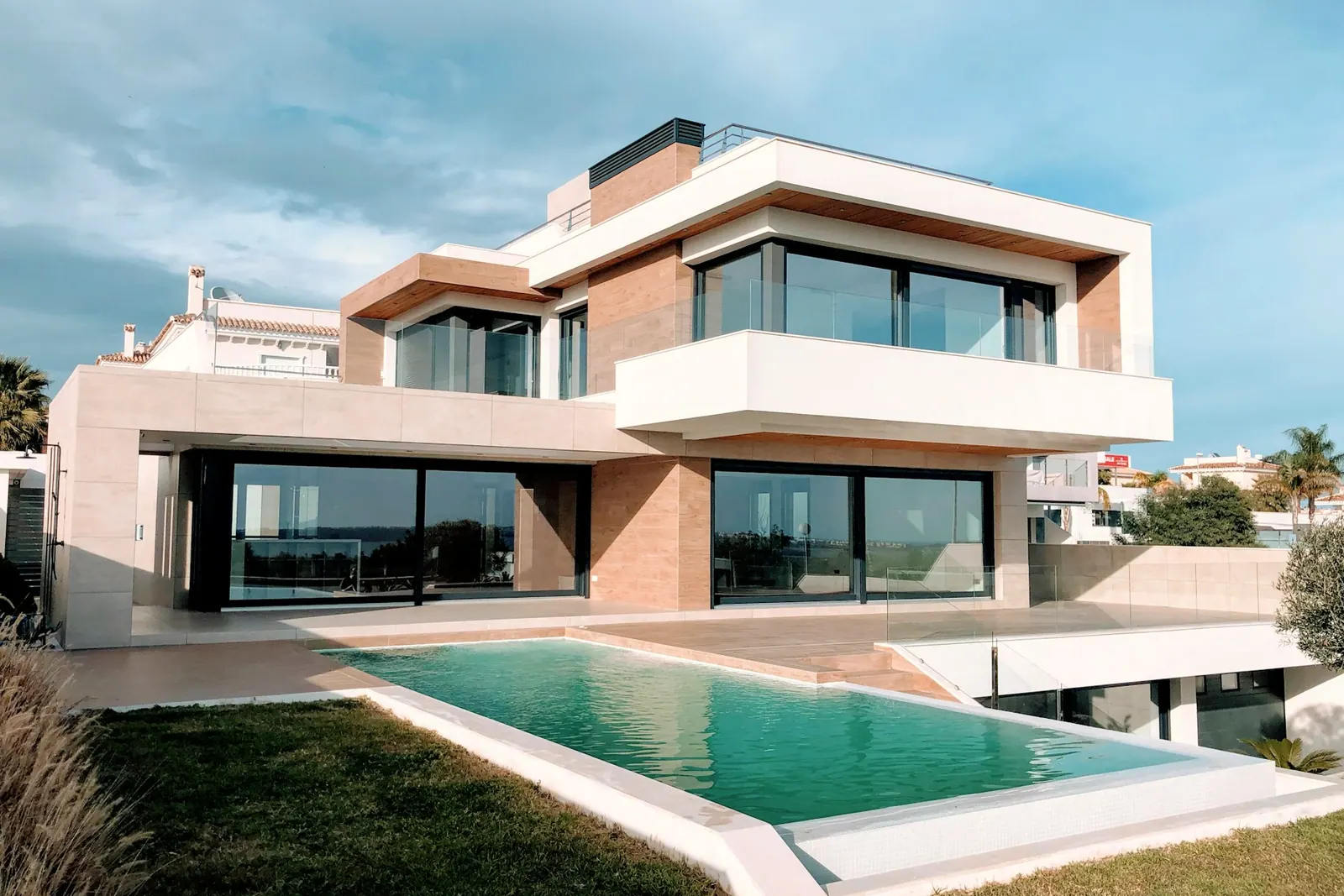
Architectural design addresses a building as a whole: its response to the plot and climate, its form and proportions, how rooms are arranged across floors, where windows and openings fall, and how structure and services are accommodated. The work is documented in plans, sections and elevations, and coordinated with engineers and surveyors.
What interior design covers
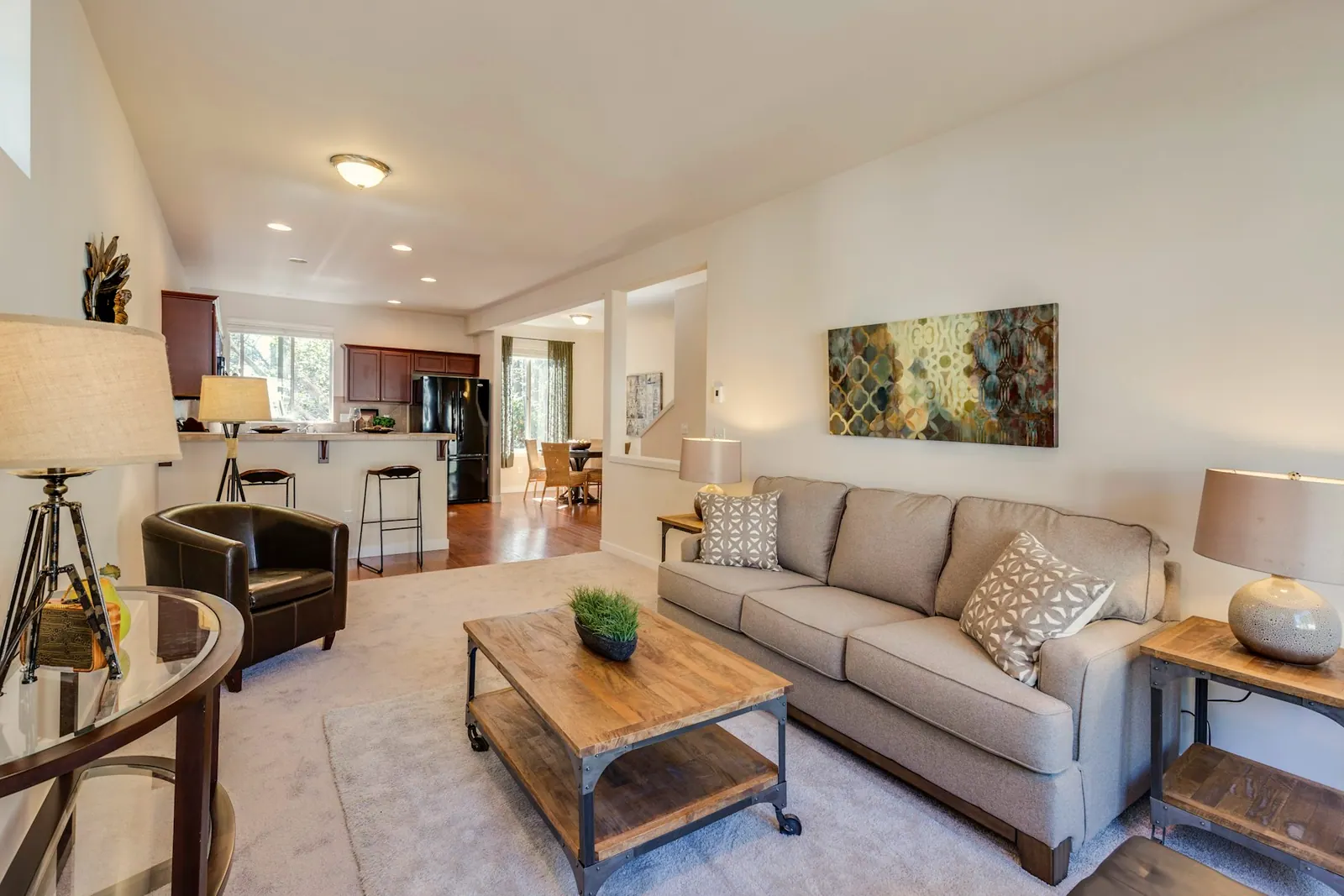
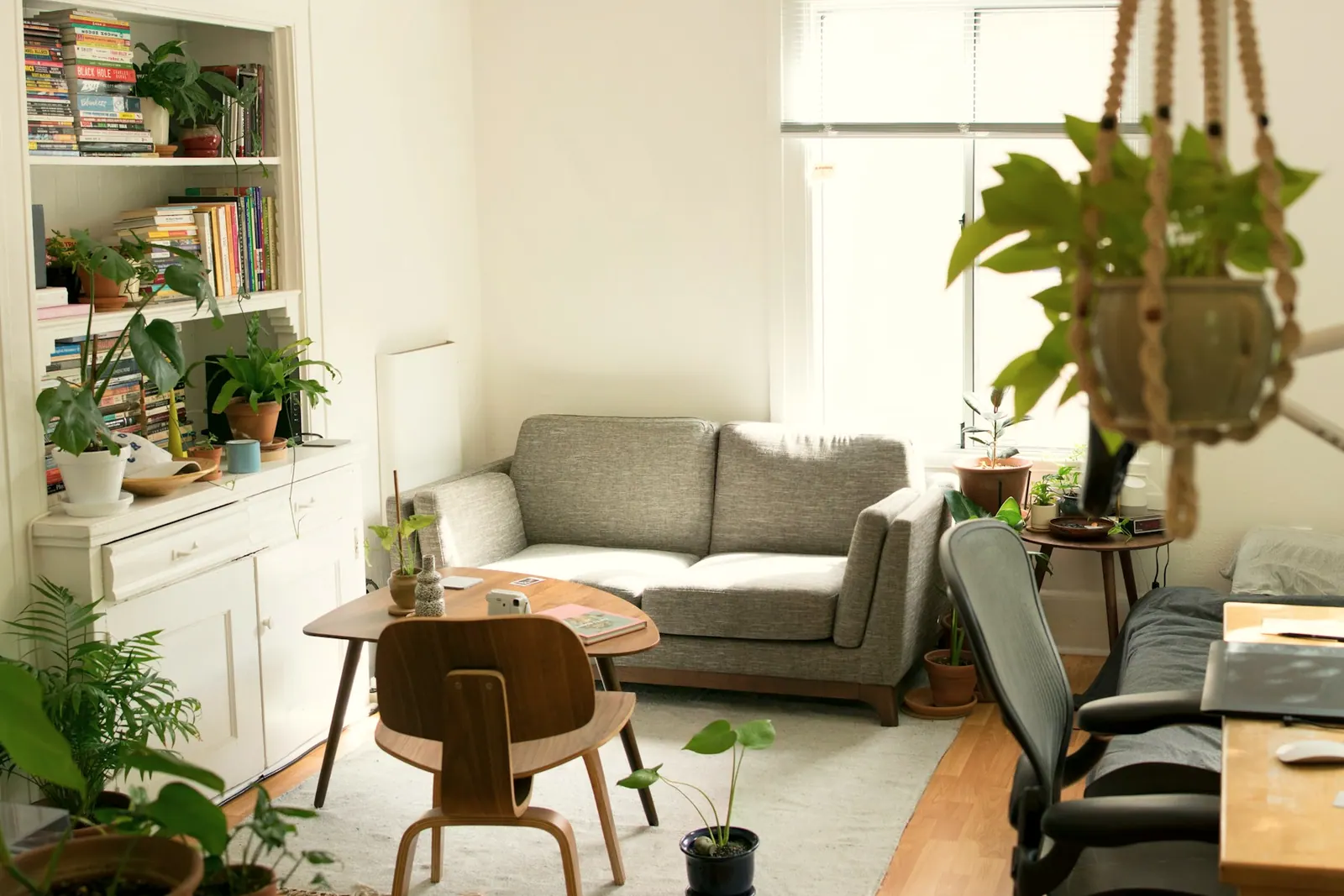
Interior design works within the building shell. It covers furniture layouts, storage, ceilings, flooring, wall treatments, lighting, and the placement of electrical and plumbing fixtures. It also deals with atmosphere: how a room feels through its light, materials and proportions.

Where the two meet
The boundary is not a neat one. A window position decided at the architectural stage determines where a bed can go. A beam may decide where a ceiling can drop. This is why the two work best when considered together, rather than having an interior designer inherit decisions that could have been made differently a few months earlier.
Which one does your project need?
As a rough guide:
- Building new or adding a floor: start with architectural design, and bring interiors in early.
- Changing walls, openings or anything structural: you need architectural input and an engineer’s advice.
- Refreshing an existing home or office without layout changes: interior design is usually enough.
- Unsure whether a space can work for you: begin with a space planning study.
Related services: Architectural Design and Interior Design.